What are the reasons of the failure of FOREVER 21 ?
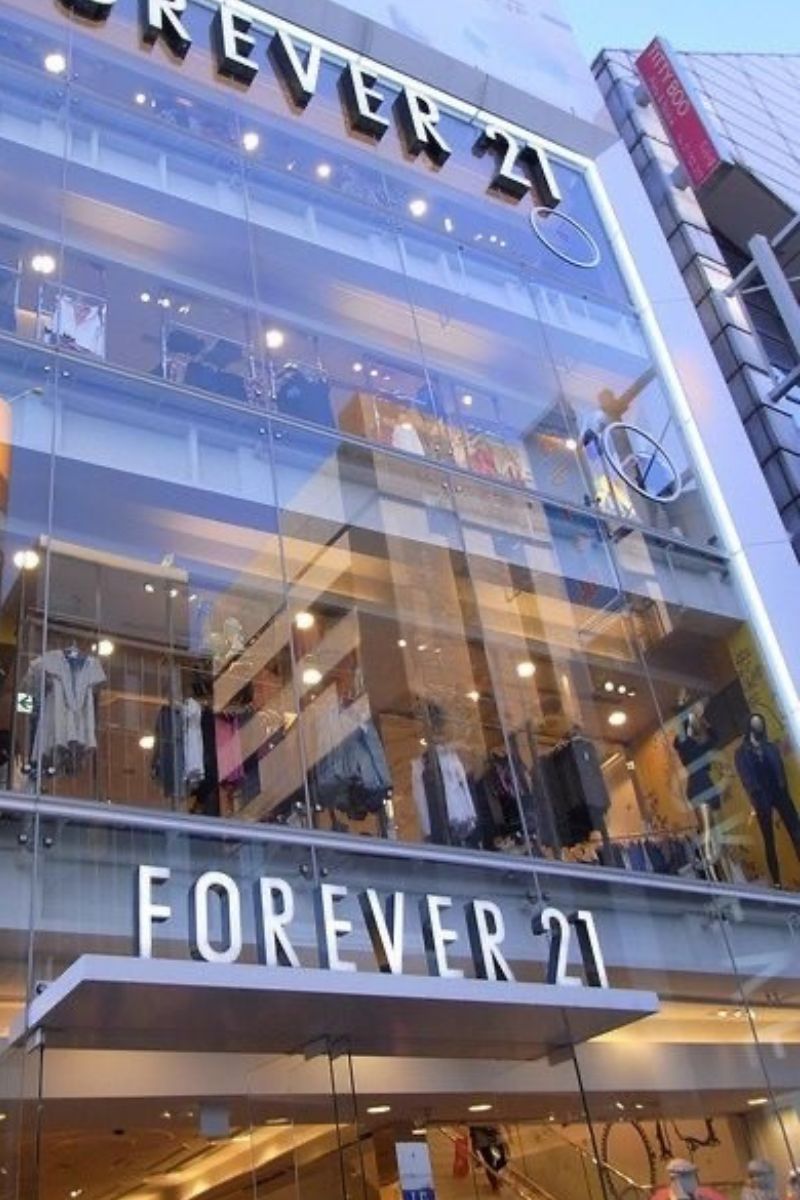
Forever 21 is an American ready-to-wear chain offering clothing and accessories for young people (women, men) and teenagers. Forever 21 was originally called Fashion 21. The store was founded in Los Angeles, California, in 1984 by Do Won Chang and his wife Jin Sook Chang.
What are the reasons of the failure of this brand ?
Outdated business model (unsustainable fast fashion)
Forever 21 thrived on a fast fashion model : rapid, low-cost production to keep up with trends. But this model has become problematic on several levels :
It has been criticized for its environmental impact.
Consumers, especially younger generations, have become more sensitive to ethics and sustainability, turning away from brands with little transparency.
Poorly Managed Overexpansion
The brand opened too many stores too quickly, some of them very large, particularly in the United States and internationally.
It failed to take into account the digital transformation of retail (the rise of e-commerce).
Many stores were poorly located or had become unprofitable.
Positioning Errors
Forever 21 targeted a young customer base, but it failed to reinvent itself to remain on-trend in the face of more agile competitors like Zara, H&M, or Shein.
Its communications and collections were not always in line with contemporary values (inclusivity, diversity, social responsibility).
Legal Issues and Controversies
Forever 21 faced several lawsuits for plagiarism (notably by Adidas, Ariana Grande, etc.) and religious or cultural controversies, tarnishing its image.
Poor Adaptation to Digital
The brand was slow to invest in e-commerce, social media, and the online customer experience. More agile competitors like ASOS, Fashion Nova, and Shein have been able to better leverage these channels to attract a connected customer base.
Retail Crisis + COVID-19
The health crisis has exacerbated the difficulties facing physical retail.
In 2019, the company filed for Chapter 11 bankruptcy protection, announcing the closure of more than 300 stores.
In conclusion,
Forever 21's failure is a textbook case : it illustrates what happens when a brand fails to move with the times, ignores market signals, and fails to adapt its model to new consumer expectations. This lack of responsiveness to societal, technological, and environmental changes ultimately caused the brand to stumble.
Picture : © Forever 21