Why arent more female athletes creating their own brands ?
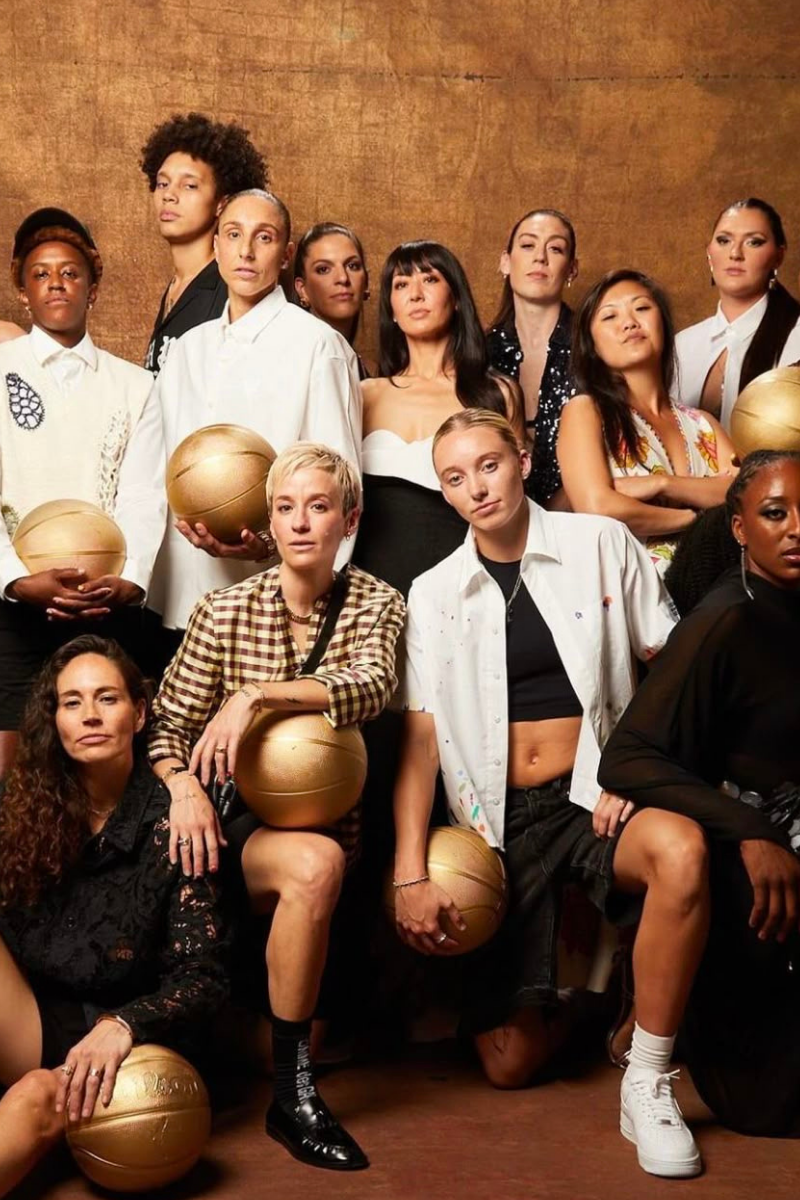
Over the past few decades, male athletes have transformed their fame into veritable business empires. From clothing lines and energy drinks to media, investments, and merchandise, sport has become a powerful entrepreneurial engine.
Yet, why do we still see so few female athletes launching their own brands ?
Even though women's sports are experiencing unprecedented growth in terms of audience, visibility, and cultural influence, female athletes remain significantly underrepresented among the founders of mainstream brands.
A problem of access to capital
One of the main explanations is economic. Creating a brand requires capital, strategic partners, specialized teams, and a strong network. Historically, female athletes have earned far less than their male counterparts, which naturally limits their ability to invest in large-scale entrepreneurial projects.
Even when they have high media visibility, they often encounter more difficulties in convincing investors. Venture capital funds continue to primarily finance companies founded by men, creating a cycle that is difficult to break.
A shorter and less lucrative sports career
For many female athletes, financial stability remains the priority.
Unlike male superstars who can accumulate tens or even hundreds of millions of euros during their careers, many female athletes still have to juggle competitions, partnerships, and sometimes other activities.
In this context, launching a brand represents a significant risk. Many prefer sponsorship contracts with existing companies rather than creating an entrepreneurial structure that requires several years of investment.
Brands still prefer partnerships to equal collaborations
The traditional model of sports sponsorship rarely fosters entrepreneurship.
Companies have long considered female athletes as ambassadors rather than strategic partners or co-founders. As a result, they lend their image to existing brands without necessarily contributing to long-term value creation.
This logic is beginning to change, however. More and more female athletes are now seeking equity stakes, leadership roles, or co-creation partnerships rather than simple advertising contracts.
The Weight of Stereotypes
Cultural expectations also play a role.
For a long time, male athletes were perceived as natural leaders, entrepreneurs, or potential investors. Female athletes, on the other hand, were valued more for their athletic performance than for their business acumen.
This difference in perception influences the media, investors, and sometimes even the athletes themselves.
When a woman launches a business, she is often subjected to a higher level of scrutiny and must prove her credibility as a leader more thoroughly.
Yet, a new generation is changing the game.
Things are changing rapidly.
Athletes like Serena Williams, Naomi Osaka, Alex Morgan, and Simone Biles have demonstrated that it is possible to build a personal brand far beyond the playing field. They invest in startups, develop their own products, and use their influence to create businesses aligned with their values.
This new generation is no longer content to be the face of a brand ; they want to own it.
The rise of social media also plays a crucial role. Athletes can now communicate directly with their communities, understand their expectations, and build loyal audiences independently of traditional media.
An untapped economic opportunity
The potential is immense.
Female athletes often have an exceptional level of engagement with their fans. They embody values sought after by modern consumers: authenticity, resilience, performance, well-being, and social impact.
As women's sports gain visibility, opportunities to create brands in the fitness, nutrition, fashion, health, and lifestyle sectors should multiply.
Perhaps the real question is no longer why female athletes have so few brands today. How long will it take before they become the next major entrepreneurs in global sport ?
In conclusion
The lack of brands founded by female athletes is not the result of a lack of ambition or talent. It primarily reflects historical inequalities in income, investment, and access to opportunities.
But the landscape is changing. As women's sport enters a new era of growth, athletes have more tools than ever to transform their influence into sustainable businesses.