Why are Christmas ads relying on traditional values ?
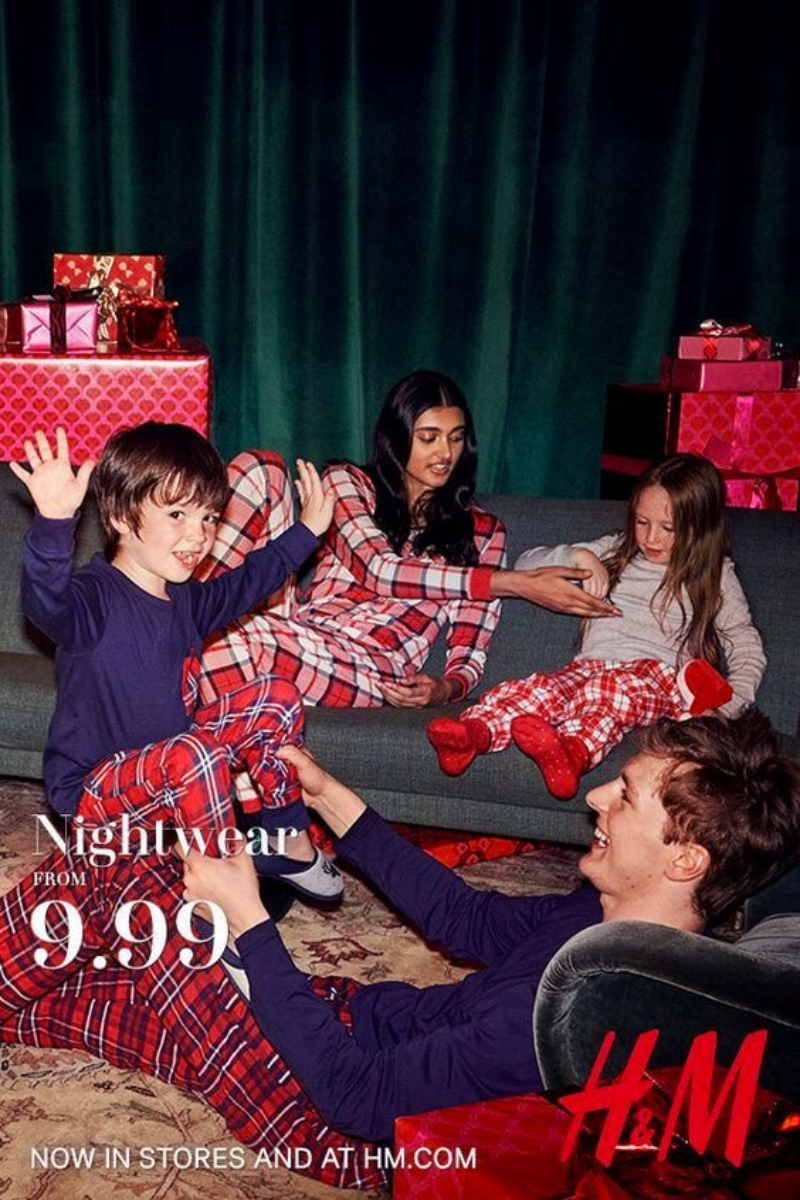
This year, Christmas ads seem to speak a familiar yet subtly elitist language. Gone are the flashy, exuberant, and spectacular effects. In their place is a hushed, timeless, almost silent aesthetic. Dark wood, beautiful homes, thick wool sweaters, elegantly set tables without ostentation.
Two words sum up this trend : "old money".
But why are brands choosing to rely on these inherited traditional values today, especially at Christmas ?
"Old money" : much more than an aesthetic
"Old money" is not just a visual style popularized on social media. It is, above all, a system of values :
- Discretion rather than ostentation,
- Quality rather than quantity,
- Heritage rather than flashy novelty,
- Transmission rather than immediate performance.
At Christmas, these values find an ideal platform for expression. The holiday itself is based on continuity, rituals, and family traditions. Brands naturally align themselves with this symbolism.
A return to understated Luxury
In a context where the luxury sector has had a difficult year and where consumption is more deliberate, Christmas advertisements are adopting a more understated tone.
It's no longer a product that's being sold, but a lifestyle.
The campaigns feature :
- Old houses steeped in history,
- Elegant yet understated families,
- Simple gestures: serving tea, lighting a fire, passing down a piece of jewelry,
- Timeless clothing, far removed from fleeting trends.
This understated luxury is reassuring. It suggests stability, permanence, the idea that some things don't change, even when the world is in turmoil.
Tradition as a status marker
Old-money values also function as a subtle social marker. Where "new luxury" sometimes seeks to impress, the old prefers to suggest.
In these Christmas advertisements, wealth is never displayed overtly. It is implied:
- In the perfect cut of a coat,
- In the antique china on the table,
- In an interior that seems to have been inhabited for generations.
This approach corresponds to a growing public desire: to show less, to convey more.
A response to the saturation of « too much ».
In contrast, traditional, old-money values appear as a form of elegant counterculture. At Christmas, this promise becomes particularly powerful, as it resonates with the idea of timelessness, family history, and legacy. Paradoxically, it is often the youngest generation who are drawn to this aesthetic.
Why ?
Because in an unstable world, old-money values embody : a sense of security, timeless elegance, and a strong identity, independent of trends.
In conclusion,
Christmas advertisements thus play a key role: they offer an idealized vision of a structured, calm, and coherent world ; an emotional refuge.
By focusing on traditional, old-money values, this year's Christmas ads aren't just looking to the past. They offer an inspiring vision of the future : a world where luxury is understated, where values are stable, and where time is more valuable than novelty.
At Christmas, more than ever, brands seem to be reminding us that true luxury isn't about owning more, but about being part of a story.
Picture : © H&M 2025