Oil, Fashion, and Conflict : When the Middle East Shapes Aesthetics and Industry
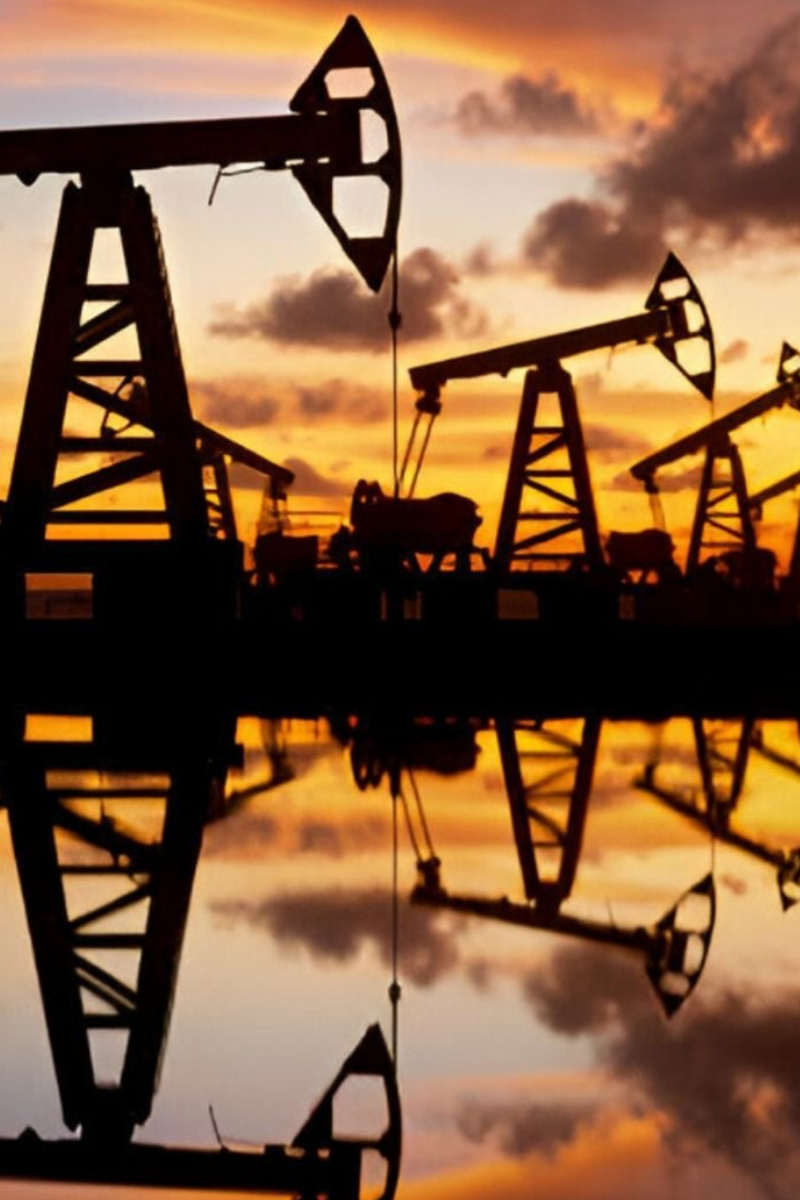
The link between oil, fashion, and conflict in the Middle East may seem indirect at first glance. Yet, these three worlds are intimately connected by economic, political, and cultural dynamics that profoundly influence how we produce, consume, and even dress.
Black Gold at the Heart of Fashion Globalization
Oil is the invisible backbone of the contemporary fashion industry. Synthetic fibers like polyester, nylon, and acrylic are directly derived from petrochemicals. Today, a large portion of the clothing sold worldwide depends on oil, not only for its manufacture but also for its transportation. The Middle East, which holds a significant share of the world's oil reserves, thus plays a central role in this chain. Any instability in this region, whether linked to geopolitical tensions or armed conflicts, has immediate repercussions on energy prices, and consequently on production costs in the fashion industry.
War and Supply Chain Disruption
Conflicts in the Middle East are not limited to local issues. They disrupt global flows: rising fuel prices, slowing maritime trade, and economic uncertainties. For fashion brands, this means increased costs, production delays, and sometimes strategic shifts.
Some companies then seek to relocate their production or invest in alternative materials. Others, however, pass these costs on to consumers, contributing to price inflation in the textile sector.
An Aesthetic and Cultural Influence
Beyond the economy, the Middle East also influences fashion aesthetically. Periods of conflict have often inspired clothing trends characterized by functionality, simplicity, or even a certain militarization of style (neutral colors, utilitarian cuts, modular garments).
Paradoxically, the region's rich cultural heritage continues to inspire designers : traditional patterns, luxurious textiles, and fluid silhouettes. This duality between war and creativity illustrates the complexity of fashion's perspective on the Middle East.
Towards a post-oil fashion ?
Faced with environmental challenges and geopolitical tensions, the fashion industry is beginning to consider a transition. Bio-based materials, textile recycling, and technological innovations offer alternatives to oil.
However, this transformation remains slow. The current system, deeply rooted in an oil economy, is difficult to reinvent without disrupting the entire value chain.
In conclusion,
Oil, fashion, and conflicts in the Middle East are linked by invisible but powerful threads. Understanding these connections allows us to better grasp the contemporary challenges facing the textile industry. Behind every garment lies a global story, made up of resources, tensions, and cultural influences.