LVMH Opens Flagship Stores in Beijing : A New Turning Point for Luxury in China
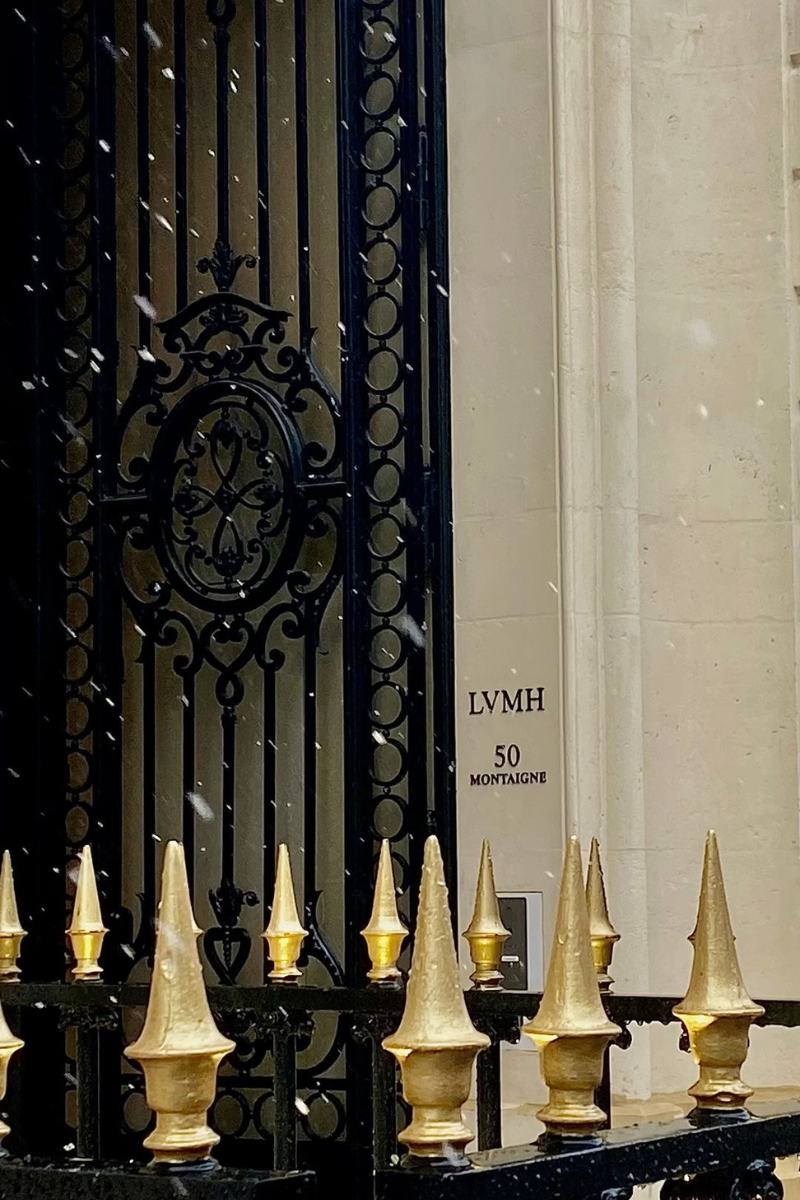
A flagship store is a term used in retail to describe a boutique that serves as a test before the opening of subsequent outlets and showcases the brand's best products.
According to several recent sources, LVMH is preparing to inaugurate vast multi-brand stores in Beijing as early as December 2025, bringing together several of its leading brands (Louis Vuitton, Dior, Tiffany & Co., and Loro Piana). These flagship stores, spread over several floors, mark one of the group's most ambitious expansions in China in several years.
This strategic choice is accompanied, according to LVMH, by a recovery in demand in mainland China, and more broadly in Asia (excluding Japan) - one of the most crucial regions for the luxury conglomerate's international portfolio.
Why now ?
A shaken luxury sector, but signs of recovery: after several quarters of declining sales, LVMH recorded organic growth of +1% for the third quarter of 2025.
Return of confidence among Chinese consumers: the increase in demand observed in China seems to indicate a gradual return of luxury goods purchases. This coincides with a deliberate reinvestment strategy by major brands.
Flagship stores as a lever for differentiated experiences : LVMH doesn't just want to sell its products. Its new spaces aim to offer an immersive experience : a place of prestige, exhibition, and socialization, rather than simply a store. This is sure to appeal to a demanding clientele seeking exclusivity.
Implications for the luxury market and the Chinese economy
The opening of these flagship stores in Beijing could have several effects :
- A redeployment of international luxury towards the Chinese market: with this expansion, LVMH affirms that China is once again a priority market, potentially driving its global growth ;
- A renewed appeal for local consumers: prestigious new stores can stimulate the interest of chinese shoppers, including affluent consumers but also a broader clientele attracted by image, experience, and novelty;
- A confidence indicator for the sector: if a giant like LVMH invests heavily, it can encourage other luxury brands to follow suit which could contribute to a broader recovery of the sector, in China and beyond.
Between caution and optimism: measured expectations
Despite the slight increase, the "Fashion & Leather Goods" division (the core of brands like Louis Vuitton and Dior) remains down which shows that a return to pre-crisis levels is not guaranteed.
The overall context remains uncertain : the luxury market in China experienced a sharp slowdown, and consumer habits may have changed permanently.
Opening flagship stores does not guarantee success : these boutiques are a long-term gamble ; success is contingent upon product appeal, competitive pricing, and evolving demand.
In conclusion,
LVMH's announcement of new flagship stores in Beijing represents a turning point : more than just a return to business, it's a bet on the resurgence of luxury in China, a signal of confidence to the market. For the group, these new stores are not merely points of sale, but strategic showcases to attract both local and international clientele.
These moves reflect cautious optimism and an ambitious repositioning in a key market.
* A conglomerate is a group of companies with very different activities, which allows for risk diversification : losses in some activities can be offset by profits in others.
A conglomerate company has activities in very different and unrelated sectors. For example: General Electric, LVMH, Kering, and Bouygues are conglomerates. These companies are present in around a hundred different sectors such as construction, the luxury industry, finance, and electricity.
Picture : © LVMH / Paris