Children are tomorrows future : To Have Them or Not ? That Is the Question
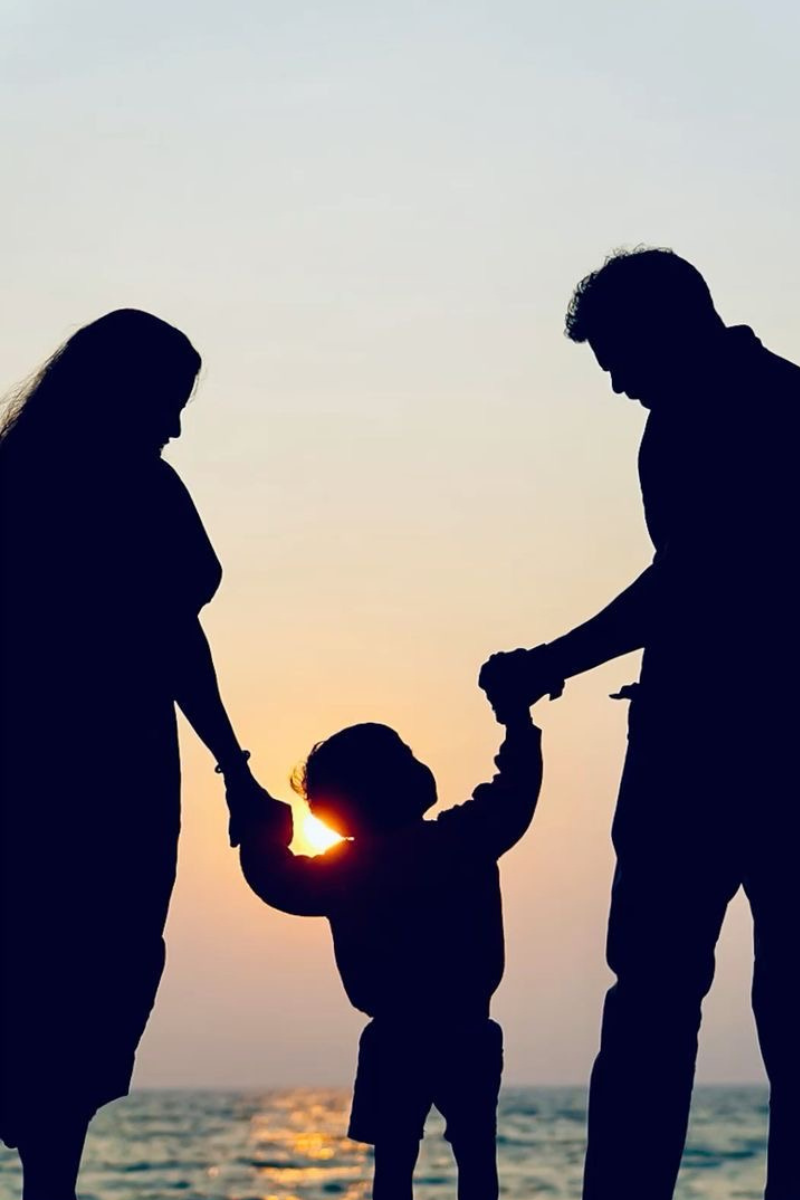
The issue of parenthood has never been more hotly debated than it is today. At a time when economic, ecological, and social challenges seem to be multiplying, more and more people are wondering whether it is still reasonable, or even desirable, to have children.
Yet, children are often considered the future of humanity. So, between personal convictions, social pressure, and collective issues, should we have children ? And what does this decision really mean in 2025 ?
Children : A Promise for the Future ?
Children have always been seen as bearers of hope. They embody continuity, heritage, and the idea that the world of tomorrow will be in good hands. Education, the transmission of values, the development of talents : these are all levers that make younger generations potential drivers of change.
In this sense, deciding to have children also means betting on the future. It's believing that the world is worth passing on, that it can improve, and that we can contribute to it through our descendants.
But at what cost ?
However, this optimistic vision today faces numerous obstacles. Climate crisis, geopolitical instability, overpopulation, growing inequality... The picture may seem bleak, and for some, irresponsible to bring a child into such a chaotic world.
Other opinions point the ecological impact of an additional child, or the financial difficulties linked to education, isolation (no village to raise a child), and the cost of living. Parenthood is becoming an increasingly complex, almost philosophical choice, which goes beyond a simple personal desire.
Choosing not to have children: a legitimate choice
Refusing parenthood is no longer taboo. This choice, long stigmatized, is now considered like a personal decision. For some, it's a way to preserve their freedom, for others an ethical response to current crises. It's not a renunciation of the future, but sometimes another way to serve it : by engaging in new ways, by investing in the community, by leaving more space for the generations already present.
What if the real question lay elsewhere?
Rather than asking whether we "must" have children, perhaps we should ask ourselves how we want to contribute to the future. Whether we decide to have children or not, the central question remains the same : what kind of world do we want to build ? And whether or not parenthood is part of this project, everyone can play a role in shaping that future.
In conclusion,
Having a child is no longer automatically a given. It is a mature, intimate, and sometimes even militant choice. And it is precisely this freedom to question and doubt that makes our era so rich. Whether we like it or not, the future is built every day, with or without children.
Two books on the subject with opposing perspectives :
- « L’enfant est l’avenir de l’homme » de Aziliz LE CORRE. The translation in english would be « Children are the Future of Mankind » but the book does not seem available in english
- "No Kid" by Corinne Maier
I'm more in agreement with the first book's perspective, but it's nice to see different opinions 😊
Happy reading !