The Taxation of Fast Fashion in France : towards a crucial reform for the Fashion Industry
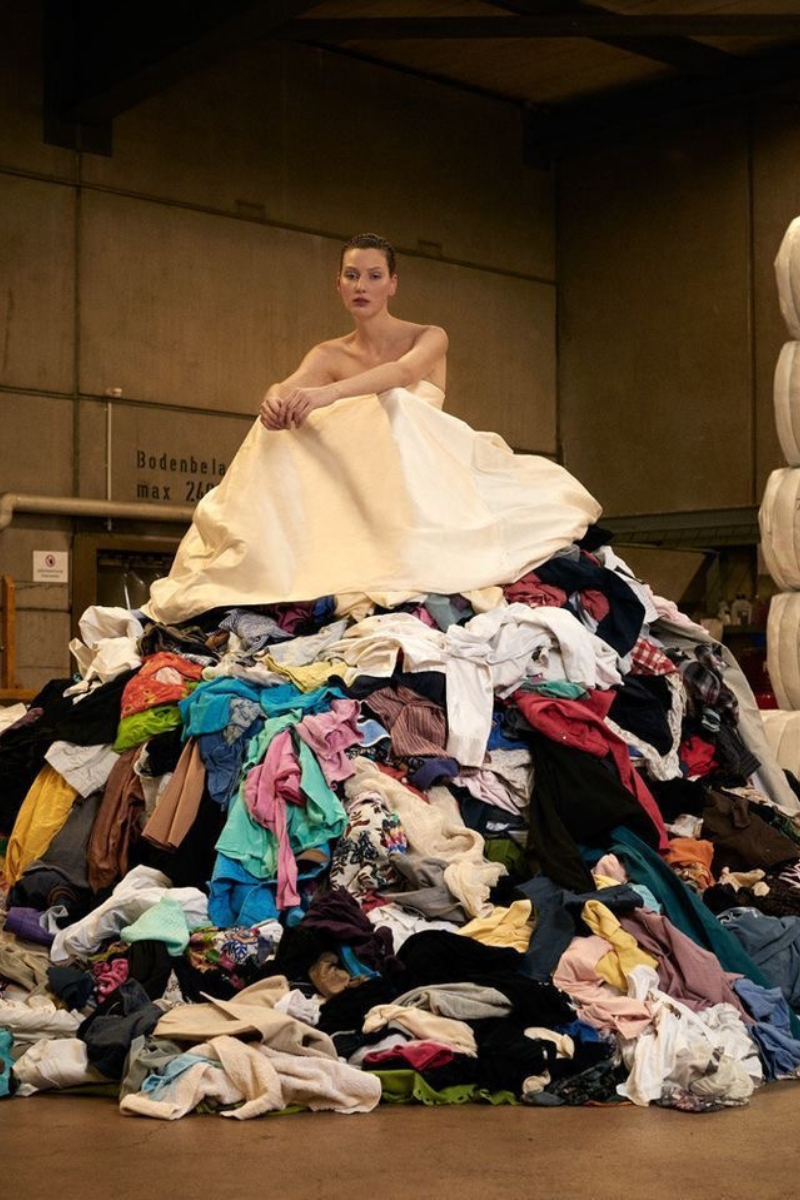
In the fashion industry, "fast fashion" is criticized for its unsustainable production practices and its harmful effects on the environment and workers. In response to these growing concerns, France is seriously considering introducing specific taxation on fast fashion.
This measure, if adopted, will have a significant impact on the fashion industry and will mark a turning point in the involvement of consumers who will most likely make more responsible choices in their purchases. At the same time, brands will move towards more responsible and sustainable production to avoid seeing their products overtaxed.
What is Fast Fashion?
Fast fashion is an economic model for producing and selling clothing that relies on rapid production cycles and mass consumption at affordable or even extremely low prices. Fast fashion brands often produce in large quantities, use cheap materials and outsource their production to countries with low labor costs such as China, Bangladesh, Pakistan, etc.
This often leads to precarious working conditions for workers in the textile industry and has a devastating impact on the environment due to overconsumption of resources and production of waste.
What is the bill in France?
Faced with these challenges, the French government is exploring the possibility of imposing a specific tax on fast fashion companies.
This tax could be based on various criteria such as:
- The production volume,
- The use of unsustainable materials,
- Or unethical work practices.
The objective would be to encourage companies to adopt more sustainable and responsible models.
Some industry players still fear that this will lead to higher prices for consumers and a loss of competitiveness for French companies on the global market.
The taxation of fast fashion in France remains a project to reform an industry anchored in its mode of operation. This measure could in any case result in a positive change towards more responsible fashion, respectful of the environment and workers' rights. It is crucial that we act collectively (businesses, consumers and policymakers) to create a more sustainable fashion future for generations to come.